What to Consider When Choosing a Drawer Cabinet?
When selecting a Drawer Cabinet, your choices greatly impact organization and aesthetics. Renowned furniture expert, Sarah Thompson, states, "The right cabinet can transform a room's vibe." This emphasizes the significance of thoughtful selection in drawer cabinets.
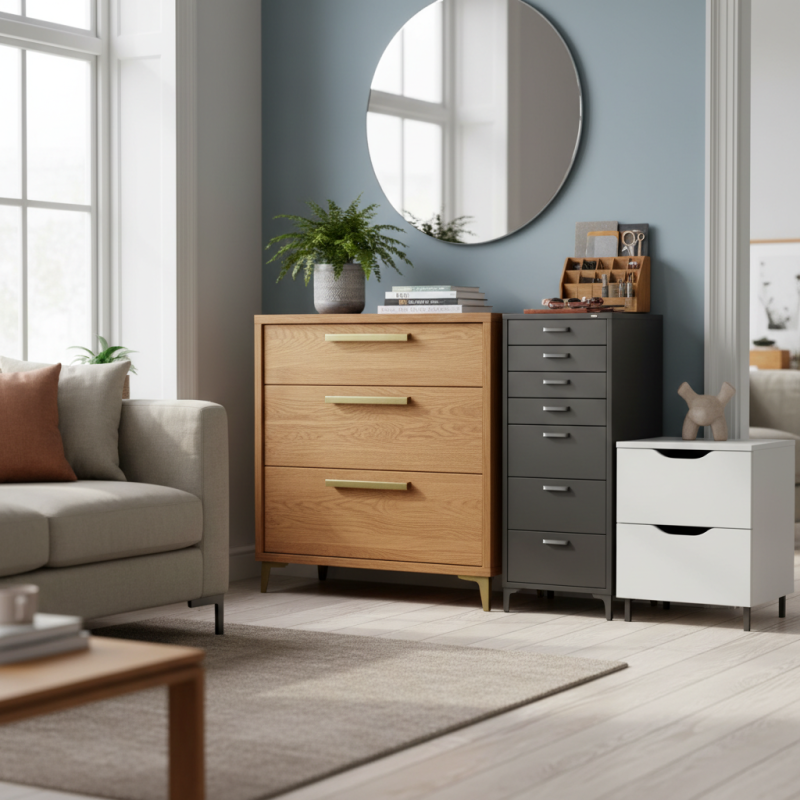
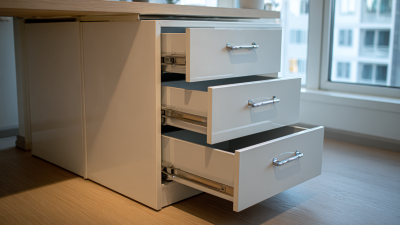
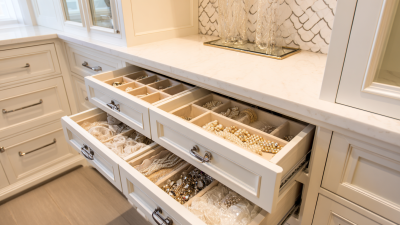
Consider the material. Quality wood adds warmth, while metal offers durability. Size matters as well; a bulky drawer cabinet can overwhelm small spaces. Evaluate drawer layout, too. Deep drawers suit larger items, while smaller ones are perfect for utensils or tools.
It’s essential to reflect on your needs. Overlooking functionality can lead to frustration. Are you aiming for a sleek design or ample storage? Sometimes, compromises are necessary. Finding balance requires careful thought and insight into your space. The perfect Drawer Cabinet is more than just storage; it enhances your living experience.
Understanding the Purpose of the Drawer Cabinet in Your Space
Choosing a drawer cabinet goes beyond mere aesthetics. The purpose it serves in your space is crucial. Consider your needs and daily activities. Is it for storage or display?
A drawer cabinet can help organize clutter. It can showcase your favorite books or decorative items. Think about how it will fit in your room. Size matters greatly. A large cabinet may overwhelm a small space. Alternatively, a tiny one might not hold all you need.
Material is another important factor. Wood offers warmth but may require care. Metal can add a modern touch but may rust over time. Reflect on your priorities. What matters more: style or functionality? Sometimes, a beautiful cabinet doesn’t suit your practical needs. Keep your personal style in line with your intended use. This reflection can guide you in making a thoughtful choice.
Evaluating Material Choices: Wood, Metal, and Plastic Options
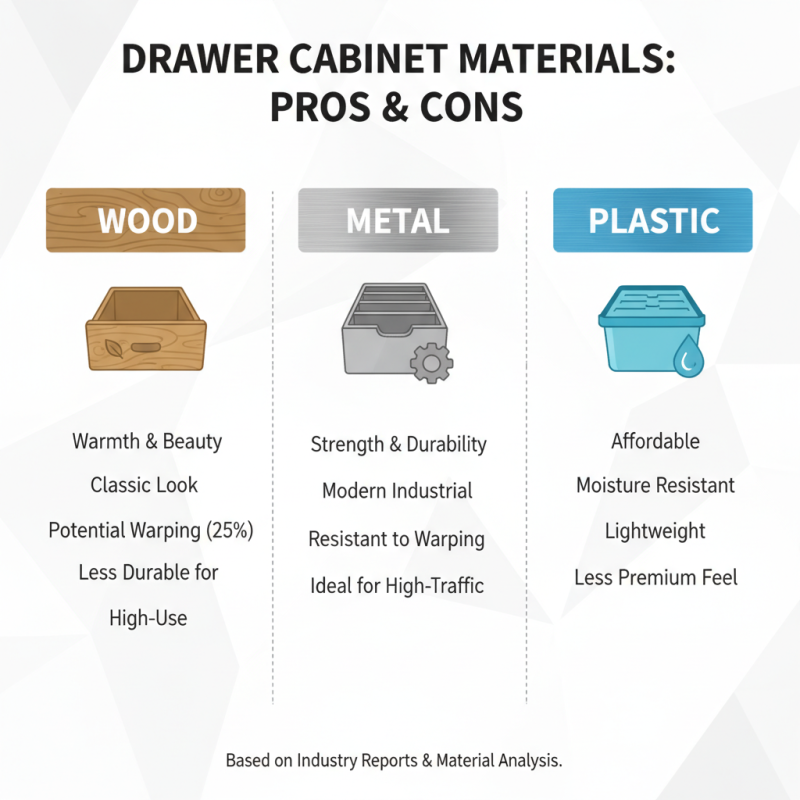
When evaluating material choices for drawer cabinets, wood, metal, and plastic each offer distinct advantages and challenges. Wood is a classic material that delivers warmth and aesthetic appeal. However, it may not be the most durable option for high-usage areas. According to industry reports, about 25% of wooden furniture suffers from warping over time.
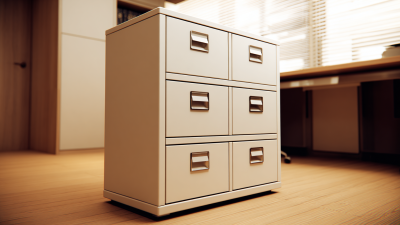
Metal, on the other hand, is renowned for its strength and longevity. It resists dents and scratches effectively. Yet, metal cabinets can be heavy and may require more effort to manage. This might be a concern for those anticipating frequent relocations or reorganizing. Research indicates that metal cabinets can endure years of use with minimal maintenance, making them suitable for various environments.
Plastic cabinets have gained popularity due to their lightweight nature and affordability. They are resistant to moisture and corrosion, ideal for damp environments. Yet, they lack the aesthetic elegance of wood or metal and can appear cheap if not designed well. Some studies suggest that consumers return plastic products more often due to dissatisfaction with their appearance after purchase. Choosing the right material involves weighing these factors and considering personal needs.
Exploring Design Styles: Matching Your Aesthetic Preferences
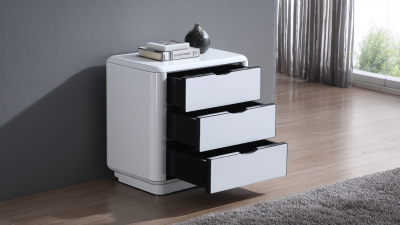
When choosing a drawer cabinet, design styles play a crucial role. Your aesthetic preferences can enhance the overall look of a room. For instance, a sleek, modern cabinet can complement minimalist decor. Its clean lines and understated charm bring a fresh touch. On the other hand, a vintage cabinet can evoke a sense of nostalgia. Rich wood finishes and ornate details tell a story, adding depth to any space.
Think about color and texture as well. A bold, colorful cabinet can serve as a striking focal point. Pair it with neutral tones for balance. Meanwhile, a soft, pastel option may evoke calmness. Consider your personal style—are you drawn to the bohemian vibe? A cabinet with intricate designs and mixed materials might resonate. Alternatively, a Scandinavian-inspired drawer cabinet can reflect simplicity and functionality.
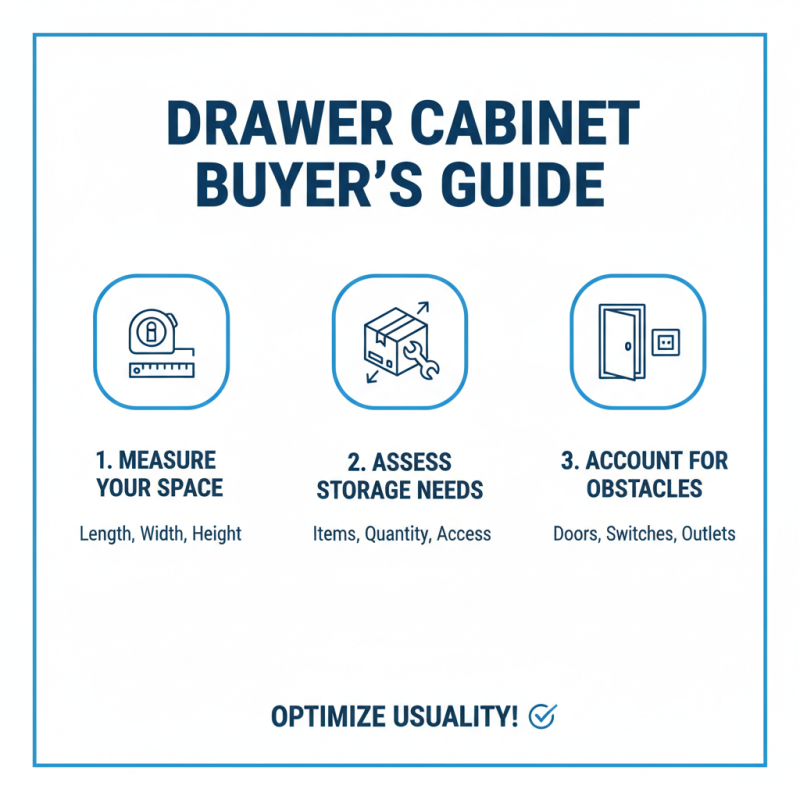
However, it’s essential to reflect on your decisions. Aesthetics shouldn’t overshadow practicality. Is the cabinet truly functional? Will your choice serve your needs in the long run? Sometimes, a stunning piece may not fit your space effectively. Measure your area carefully. Ensure the cabinet aligns with your lifestyle. A beautiful cabinet is only worthwhile if it meets your everyday requirements.
Design Styles Popularity in Drawer Cabinets
This bar chart illustrates the popularity of different design styles for drawer cabinets based on aesthetic preferences. Modern and Minimalist styles lead the way, while Traditional styles attract the least interest.
Assessing Storage Solutions: Drawer Organization and Features
When assessing storage solutions, drawer organization plays a crucial role. Consider the size and depth of each drawer.
Shallower drawers are perfect for smaller items, like utensils or craft supplies.
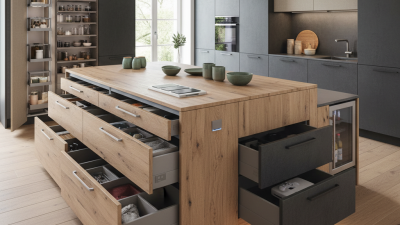
Deeper drawers can store bulkier items, such as blankets or books. A mix of both types may lead to a more functional space.
Next, think about the features of the drawer cabinet.
Soft-close mechanisms are handy, but they might not be necessary for everyone.
Adjustable dividers can help separate items, but they can also complicate the layout if not utilized wisely. Reflect on your daily needs.
Will those additional features enhance your organization, or will they create confusion?
Finally, remember that not every design fits every space. A drawer cabinet that looks appealing might not function well in a tight area.
Take time to visualize how it will fit into your environment.
Mistakes in sizing or organization can lead to frustration. A well-planned drawer cabinet balances aesthetic and practicality.
Consider what best suits your lifestyle.