How to Choose the Best Filing Cabinet for Your Office Needs?
Choosing the right Filing Cabinet is crucial for any office. According to Jane Elliott, a leading expert in office organization, "A well-chosen Filing Cabinet can transform your workspace." This statement underlines the importance of making informed choices when selecting storage solutions.
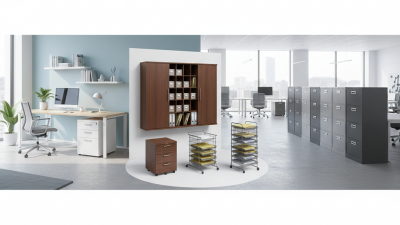
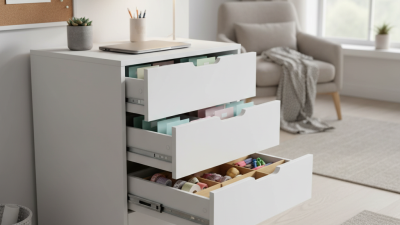
Filing Cabinets come in various styles, sizes, and materials. Consider your space and specific needs. A small business may benefit from a compact, mobile filing cabinet. Larger offices might require more robust units with multiple drawers. It's essential to assess what function you need the Filing Cabinet to serve. Will it store documents, or will it also serve as a workspace feature?
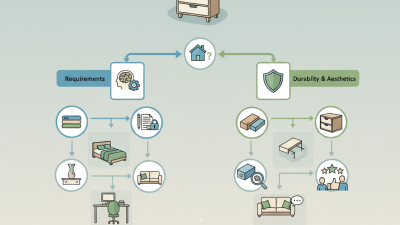
Additionally, think about the aesthetics and durability of the cabinet. Colors and finishes can enhance your office's ambiance. At the same time, materials must withstand daily use. Reflect on these aspects to avoid common pitfalls. A poorly chosen Filing Cabinet can lead to clutter instead of organization. Your choice should reflect both practicality and style.
Understanding Your Office Storage Requirements
Understanding your office storage requirements is crucial for choosing the best filing cabinet. A study by the International Facility Management Association indicates that 73% of office workers believe that adequate storage affects their productivity. However, many offices still struggle with clutter and disorganization. An effective storage solution can significantly enhance workflow and efficiency.
Consider the volume of documents your office handles. If your team manages a high volume of paperwork, opt for cabinets with adjustable shelves. The right filing cabinets should accommodate various file sizes. Additionally, the layout of your office plays a pivotal role. A well-organized space minimizes distractions and saves time. Unfortunately, many businesses overlook this factor, leading to inefficient use of space.
Security is another critical aspect of storage. The 2022 Data Breach Investigations Report highlights that 43% of breaches involve physical documents. Thus, choosing filing cabinets with secure locking mechanisms is wise. However, it's also essential to regularly evaluate your filing system. Many companies find they are still holding onto unnecessary documents, leading to overcrowded storage. Identifying what to keep and what to discard can make a significant difference in the overall organization.
Types of Filing Cabinets and Their Functions
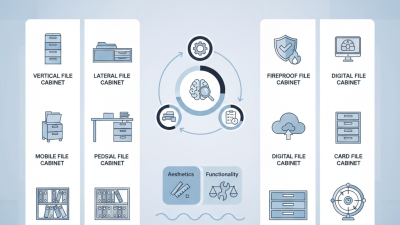
When selecting a filing cabinet, understanding the types available is crucial. There are several categories, each serving different functions.
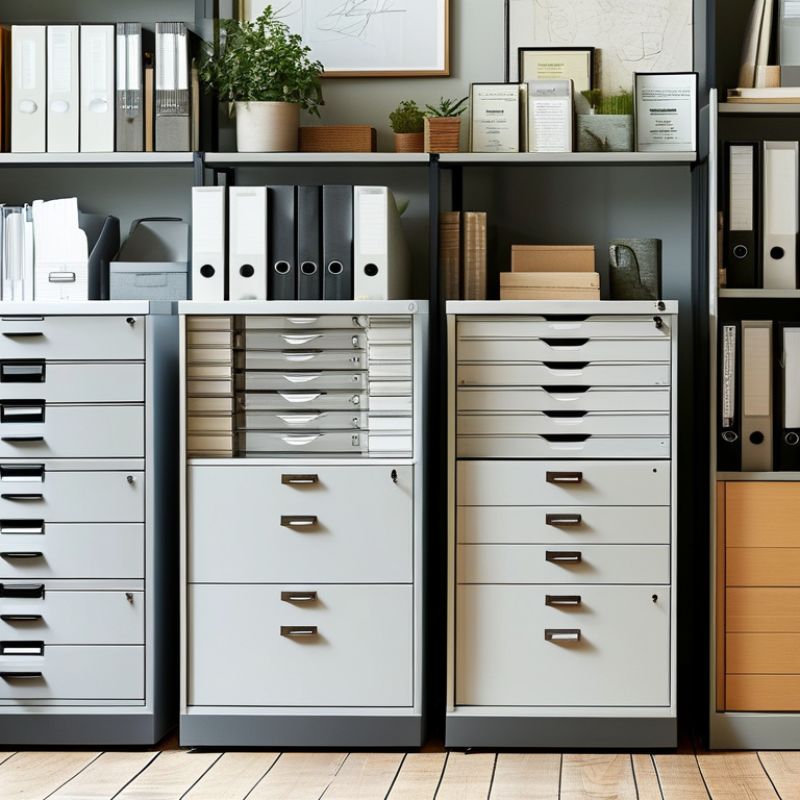
Lateral cabinets are ideal for wider documents. They offer more surface area and require less space in narrow offices.
Vertical filing cabinets are more traditional and fit smaller spaces, but they can make accessing files more cumbersome.
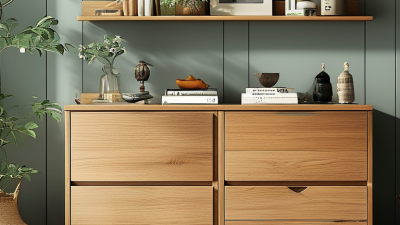
Steel cabinets are sought for their durability. They resist wear and can last decades. On the other hand, wooden cabinets may enhance office aesthetics but often have a shorter lifespan.
A study by the Office Furniture Industry Association indicates that over 40% of offices opt for steel due to longevity. This is an essential consideration for sustainable office practices.
Tip: Assess your office layout and file volume. This will help determine which type is right for you. A cluttered workspace may reflect poor filing choices.
Regular audits of your filing system can reveal what works and what doesn’t. Prioritize essential documents and consider digital filing as a complementary option.
Remember, the right cabinet can enhance productivity, but selecting one without careful thought may lead to inefficiencies.
Assessing Size and Space Constraints in Your Office
Assessing size and space constraints is crucial when selecting a filing cabinet. Every office has unique dimensions. Start by measuring your available space. Consider both height and width. A cabinet that is too tall can obstruct light. On the other hand, a wide cabinet may crowd your workspace.
Think about your storage needs. Do you have lots of documents? A taller cabinet with multiple drawers might work well. If your space is limited, a mobile unit could be a suitable choice. This allows for flexibility while keeping your area tidy. Take a moment to envision how the cabinet will fit into the overall office layout.
Don't overlook the aesthetics. A filing cabinet should blend with your office's design. While function is essential, visually appealing options can enhance the workplace. Pay attention to finishes and colors. They can make a dull space feel alive. Consider how your chosen unit will impact the office atmosphere. A mismatch can disrupt the flow of the room.
Office Filing Cabinet Size and Space Constraints
Material and Durability Considerations for Filing Cabinets
When selecting a filing cabinet, material and durability are key factors. Metal filing cabinets are commonly chosen for their strength and security. They resist wear and can withstand heavy use in busy offices. On the other hand, wood cabinets offer a classic aesthetic and can blend well with office decor. However, they may not be as durable as metal options, particularly in high-traffic areas.
Consider the functions your cabinet will serve. If you need a cabinet for long-term storage, opt for materials that resist bending or warping. It’s also important to evaluate the thickness of the cabinet’s walls. Thicker materials generally provide better protection for sensitive documents.
Tip: Look for cabinets with a warranty. This can indicate the manufacturer’s confidence in their product’s durability.
Tip: Regular maintenance plays a role in longevity. Clean your filing cabinet regularly to prevent dust and moisture buildup.
Choose wisely based on your office needs. Each material has its advantages and limitations. Reflect on how long you expect the cabinet to last and the type of documents you will store. A thoughtful decision will lead to better long-term use.
How to Choose the Best Filing Cabinet for Your Office Needs? - Material and Durability Considerations for Filing Cabinets
| Material |
Durability |
Weight Capacity (per drawer) |
Resistance to Wear |
Price Range |
| Steel |
High |
100 lbs |
Excellent |
$150 - $300 |
| Wood |
Moderate |
75 lbs |
Good |
$200 - $500 |
| Metal |
High |
90 lbs |
Very Good |
$100 - $250 |
| Plastic |
Low |
50 lbs |
Fair |
$50 - $150 |
| Composite |
Moderate |
60 lbs |
Good |
$150 - $350 |
Budgeting for Your Filing Cabinet Purchase and Maintenance
When budgeting for a filing cabinet purchase, consider both initial costs and long-term maintenance. A recent report from the Office Furniture Industry Association highlights that the average cost of filing cabinets ranges from $200 to $500. This can include basic models to more robust options. However, it's essential to think beyond just the sticker price.
Maintenance costs can significantly affect your overall budget. Regular upkeep may require investments in file organization systems, which are not always apparent at first. Dust and wear can lead to the need for repairs or replacements over time. Research shows that businesses spend approximately 10% of the purchase price annually on maintenance. This reality highlights the importance of selecting a durable cabinet to minimize such costs.
Moreover, consider how many files your cabinet must hold. While a smaller cabinet may save upfront costs, larger, more versatile cabinets can be more economical in the long run. A well-planned filing system can enhance workflow and reduce time spent searching for documents. Reflecting on these factors helps ensure that your investment in a filing cabinet meets both your budget and operational needs effectively.