Essential Filing Cabinet Tips for Efficient Organization?
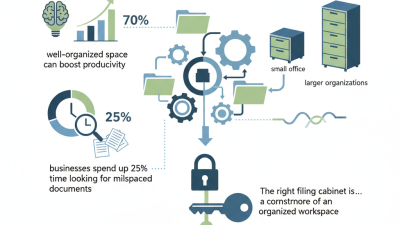
A well-organized filing cabinet can dramatically enhance your workflow and productivity. In today’s fast-paced environment, maintaining order is essential. A cluttered filing cabinet creates confusion. It can lead to misplaced documents and wasted time. When critical information is hard to find, frustration often follows.
Implementing effective organization strategies for your filing cabinet is crucial. Start by categorizing documents. Group similar papers together. Use labels for easy identification. Consider the frequency of access when arranging files. Place frequently used documents at the front. This will save you time and effort.
It’s important to regularly review your filing system. Reevaluate what documents you truly need. Discard or shred outdated or irrelevant items. This helps maintain a streamlined cabinet. Reflect on your organization tactics. Are they truly efficient? A well-maintained filing cabinet should serve you, not hinder you.
Choosing the Right Filing Cabinet for Your Needs
When choosing the right filing cabinet, think about your unique needs.
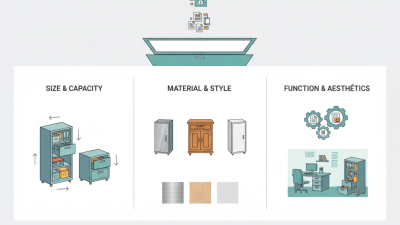
Consider your space, the volume of documents, and specific types of files you need to store.
A well-chosen cabinet can enhance your productivity and reduce clutter.
Think about different materials.
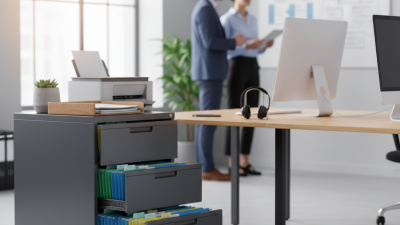
Metal cabinets are durable but can be heavy.
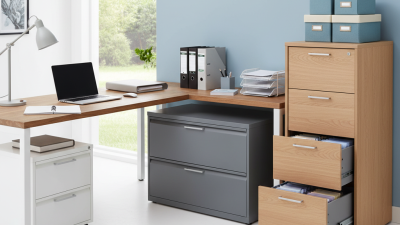
Wooden options are aesthetically pleasing but may have a higher cost. Choose a size that fits your room without overwhelming it.
If you have limited space, look for vertical options.
To maintain organization, regularly assess what you keep.
Purge unnecessary files to avoid overwhelm.
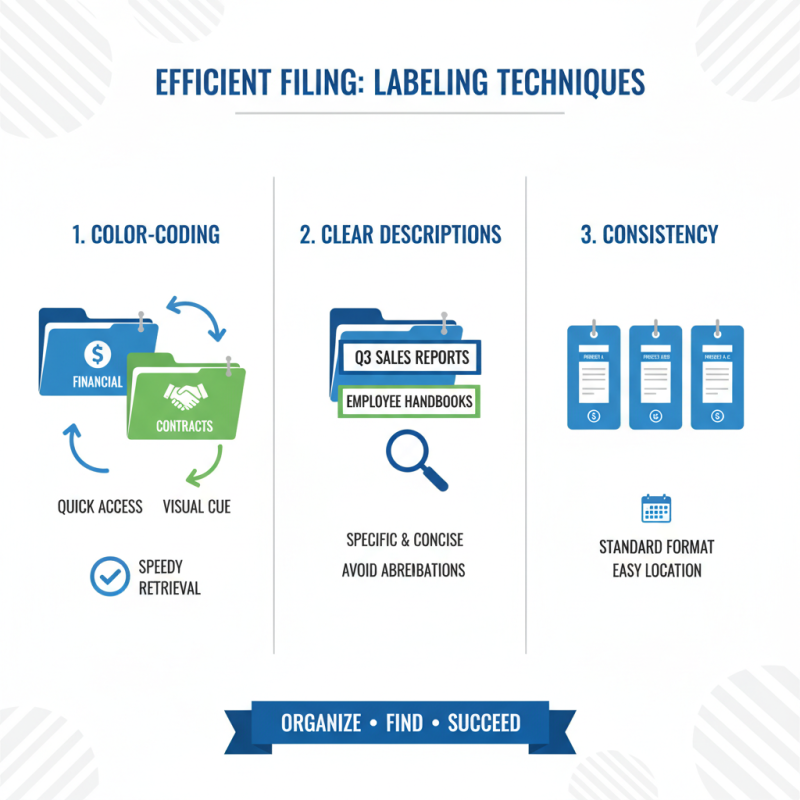
Label your folders clearly; it saves time when searching.
Use color coding for quick retrieval.
These simple tips can guide your selection. Each step can lead to a more organized workspace.
Essential Tips for Organizing Files and Documents Effectively
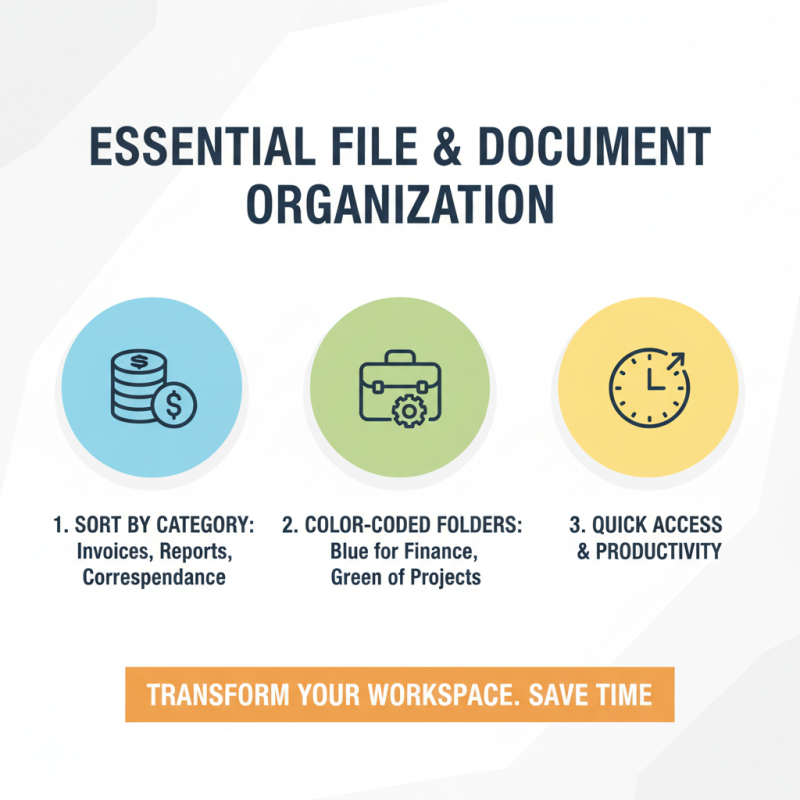
Organizing files and documents effectively can transform your workspace. A cluttered environment often leads to wasted time. Start by sorting your documents into categories. Collections can include invoices, reports, and correspondence. Use color-coded folders—blue for finance, green for projects. This system helps you locate files quickly, enhancing productivity.
Another key tip is to prioritize reducing paper clutter. Digitizing documents can significantly reduce physical storage needs. Scanning important files creates backups and keeps documents accessible. Cloud storage solutions can also keep everything organized. However, it’s easy to overlook some digital files. Regularly check and archive what you no longer need.
Reflect on your organization methods regularly. What worked last year may not fit your current needs. Be prepared to adapt as your work evolves. Keep the process flexible and review your systems often. This approach not only enhances efficiency but also ensures you remain in control of your files.
Strategies for Maintaining an Organized Filing System
An organized filing system is essential for efficiency. To achieve this, start by categorizing documents clearly. Use broad categories such as financial, personal, and work-related. Within those categories, create subcategories to further aid in navigation. For instance, divide financial documents into taxes, invoices, and statements. This structure prevents chaos and promotes clarity.
Regular maintenance is key. Schedule time weekly or monthly to review and purge unnecessary papers. Clutter tends to accumulate, often leading to confusion. A simple why not pile that will remain untouched? Set a definitive expiration date for documents to avoid indecision. When in doubt, ask yourself, “Do I need this?” The less paper you keep, the easier it becomes to maintain order.
Digital copies are also a viable solution. Scanning important documents helps reduce physical clutter. However, be mindful of digital organization too. Create folders on your computer that mirror your physical filing system. This aligns both systems and enhances consistency. But remember, nothing is perfect. We all slip and find ourselves overwhelmed. It's okay to reevaluate your strategy as you learn what works best.
Regular Review and Update of Filing Practices for Efficiency
Regularly reviewing and updating your filing practices is crucial for maintaining efficiency. A recent study by the National Archives found that up to 30% of documents in offices are never utilized. This excess paperwork clutters valuable space and makes organization harder. By routinely assessing your filing system, you can identify which documents are truly necessary.
Implement a schedule to review files. This can be monthly or quarterly, depending on your workload. The American Society for Quality recommends setting aside time to purge outdated documents. Many professionals struggle with deciding what to keep. This can lead to overstuffed cabinets and increased stress. A clear guideline for retention can ease this process, ensuring only essential files remain.
Consider digital alternatives for documents that are infrequently accessed. A survey from InfoTrends noted that businesses could reduce physical storage costs by up to 50% through digitization. However, shifting to a digital system requires regular audits as well. Ignoring this can lead to disorganization in digital spaces too. Keep both physical and digital filing systems aligned for maximum efficiency.
Essential Filing Cabinet Tips for Efficient Organization
| Tip |
Description |
Frequency of Review |
Last Updated |
| Categorize Files |
Group similar documents together for easier access. |
Monthly |
2023-09-01 |
| Label Clearly |
Use descriptive labels for quick identification of contents. |
Quarterly |
2023-08-15 |
| Dispose of Unnecessary Files |
Regularly eliminate outdated or irrelevant documents. |
Bi-Annually |
2023-07-20 |
| Create a Backup |
Maintain digital copies of important documents for safety. |
Annually |
2023-06-10 |
| Stay Consistent |
Use the same method of organization consistently across all files. |
Ongoing |
2023-05-05 |