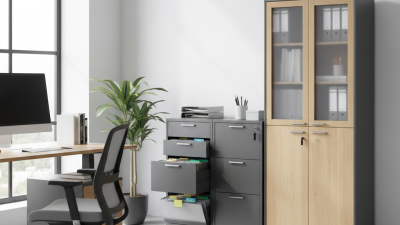
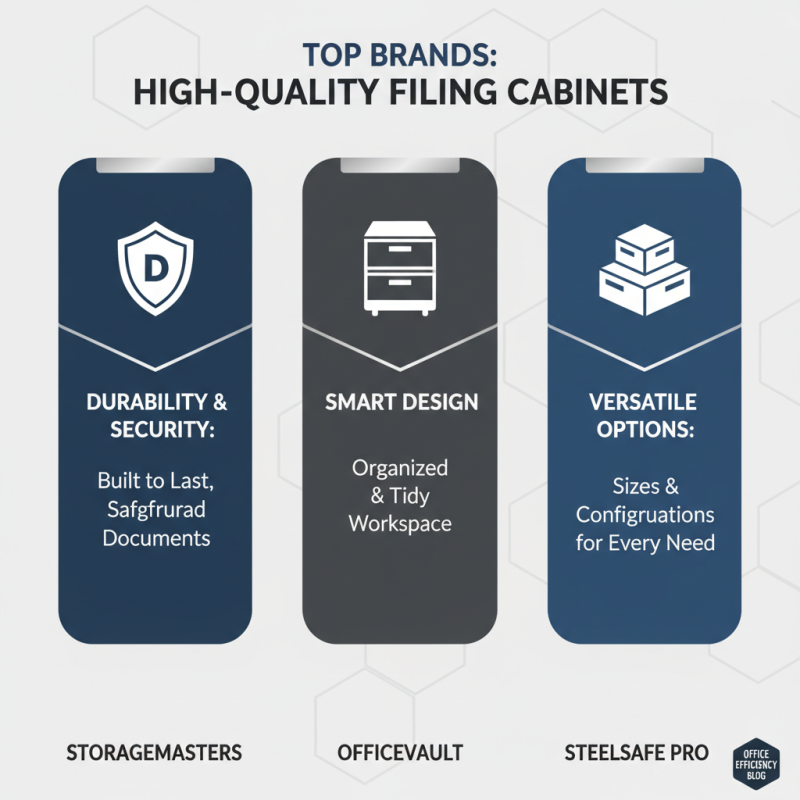
Top 10 Best Filing Cabinets for Efficient Office Storage?
In today's fast-paced office environment, efficient storage solutions are essential. Filing cabinets are crucial in keeping documents organized. According to Richard Blaze, a storage solutions expert, "A well-chosen filing cabinet can streamline any workspace." This insight underlines the significance of selecting the right filing cabinet.
The variety of styles and functionalities in filing cabinets can be overwhelming. Some models prioritize aesthetics, while others focus on durability and security. For instance, a sleek metal cabinet may enhance a modern office's appearance but might not offer the same security as a lockable wooden one. Expensive options sometimes leave users questioning their value. Investing in the right cabinet is key.
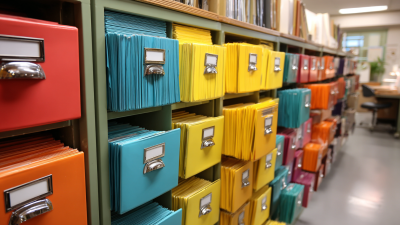
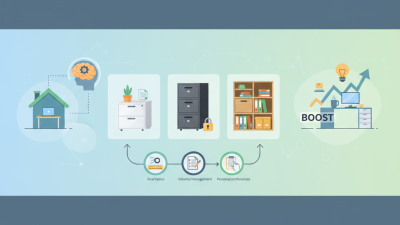
Choosing a filing cabinet is not just about appearances. It's about the ability to access important documents quickly and efficiently. A cluttered desk can lead to lost files and increased stress. The right filing cabinet should meet both practical needs and personal style. Reflecting on personal needs can lead to better choices.
Key Features to Look for in Filing Cabinets for Office Use
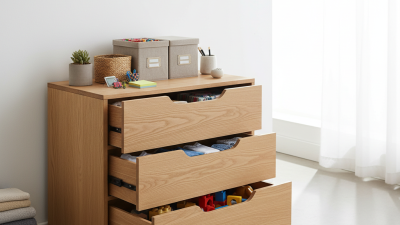
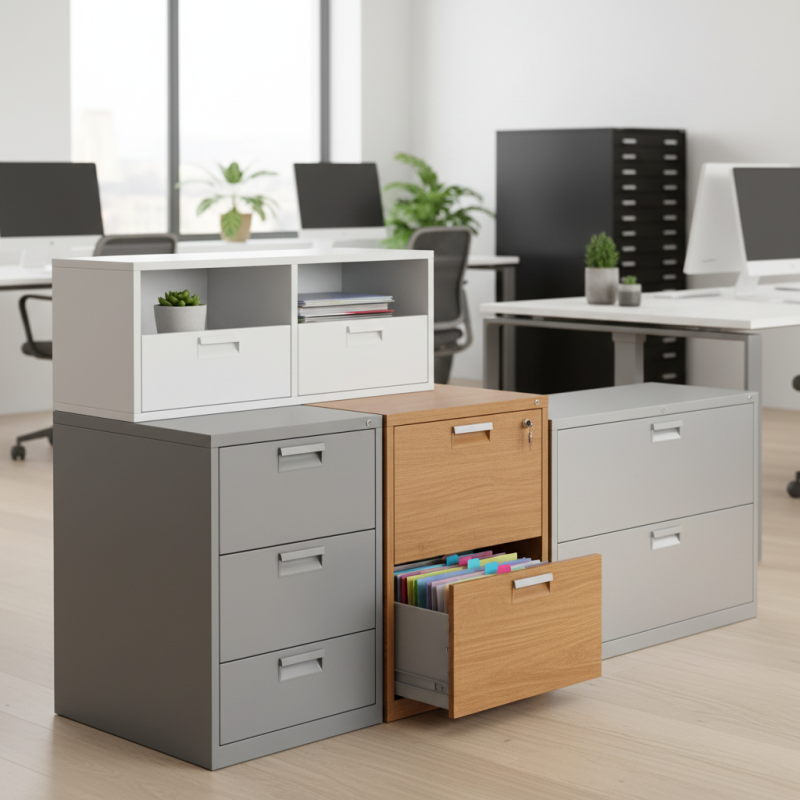
When choosing a filing cabinet for your office, consider the material. Metal cabinets offer durability and security. They can withstand years of heavy use. Wooden cabinets, on the other hand, provide a more classic look. They can enhance the aesthetics of your office space but may not be as sturdy. Balance your choice based on style and function.
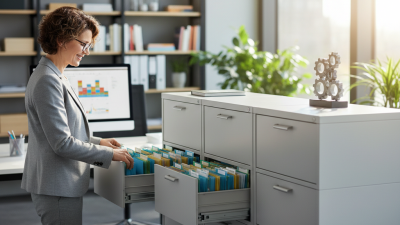
The size and layout of your filing cabinet matter. A vertical cabinet saves floor space but may require more frequent access. A horizontal cabinet can serve as additional workspace. Evaluate your office layout and choose a design that complements it. Don't forget drawer capacity. Larger drawers hold more files, while smaller ones promote organization.
Locking mechanisms add an extra layer of security. They protect sensitive documents from unauthorized access. Think about how often you need to access these documents. A file cabinet should be user-friendly, enabling quick retrieval. Examine how easy it is to open and close drawers. Smooth operation is key to maintaining an efficient work environment.
Types of Filing Cabinets: Vertical, Lateral, and Mobile Options
When choosing a filing cabinet, understanding the types available can significantly impact your office's organization. Vertical cabinets are ideal for smaller spaces. They fit well against walls and allow for easy access to files. Their tall, narrow design makes them perfect for documents that are not frequently used.
Lateral cabinets, on the other hand, offer wider drawer space. This type is suitable for larger documents or documents that require more frequent access. They can take up more floor space but provide the advantage of greater capacity. Mobile options add versatility. These cabinets come on wheels, allowing easy relocation in the office. This feature is particularly useful in dynamic work environments.
When selecting a filing cabinet, think about your specific needs. Consider what files you store most often. Evaluate how much space you have available. It’s common to underestimate the importance of accessibility. A cluttered workspace can hinder productivity. Finding a balance between aesthetics and functionality may be challenging. Each type of cabinet presents its pros and cons, making careful consideration essential.
Top 10 Best Filing Cabinets for Efficient Office Storage
Materials and Durability: Choosing the Right Construction for Longevity
When selecting a filing cabinet, material choice is crucial for long-term durability. Metal cabinets often prove superior for heavy usage. According to a 2022 report by the Office Furniture Association, metal filing cabinets can last up to 20 years with proper care. They resist dents and scratches better than wood options, making them ideal for busy offices.
However, wood cabinets offer an aesthetic appeal and can blend beautifully with office designs. A study from the International Institute of Furniture Safety outlines that high-quality wooden cabinets, especially those made from hardwood, can be quite durable. On average, they last around 15 years. Still, wood may require more maintenance to prevent wear.
It’s important to consider the environment as well. Eco-friendly materials are gaining traction. A report by Green Office Solutions states that sustainable filing cabinets can reduce carbon footprints. When durability meets responsibility, businesses not only save costs but also contribute positively to the environment. Balancing aesthetics, durability, and sustainability remains a challenge for many office managers.
Price Range and Budget Considerations for Effective Office Storage
When selecting a filing cabinet, price is a critical factor. The cost can vary significantly based on size, material, and features. Budget options typically range from $100 to $300. Mid-range options may cost between $300 and $600. Higher-end cabinets can exceed $600, but they often offer better durability and advanced features. Consider your office's storage needs before making a decision.
A lower-priced filing cabinet might seem attractive, but it may lack sufficient durability. In contrast, investing in a more robust option could save money in the long run. Evaluate the materials used in construction. Metal cabinets tend to last longer than plastic ones. Also, think about the filing capacity. Choosing the right size is crucial to avoid clutter and maintain efficiency.
Finally, be mindful of the layout and space in your office. A larger filing cabinet may not fit in a compact workspace. Measure your area before purchasing. Think about accessibility as well. If you need quick access to files, a more accessible design might be worth it. Balancing budget constraints and storage needs can be tricky. Don't rush this decision. Take time to reflect on what's best for your office.