How to Choose the Perfect 2 Drawer Cabinet for Your Space in 2026?
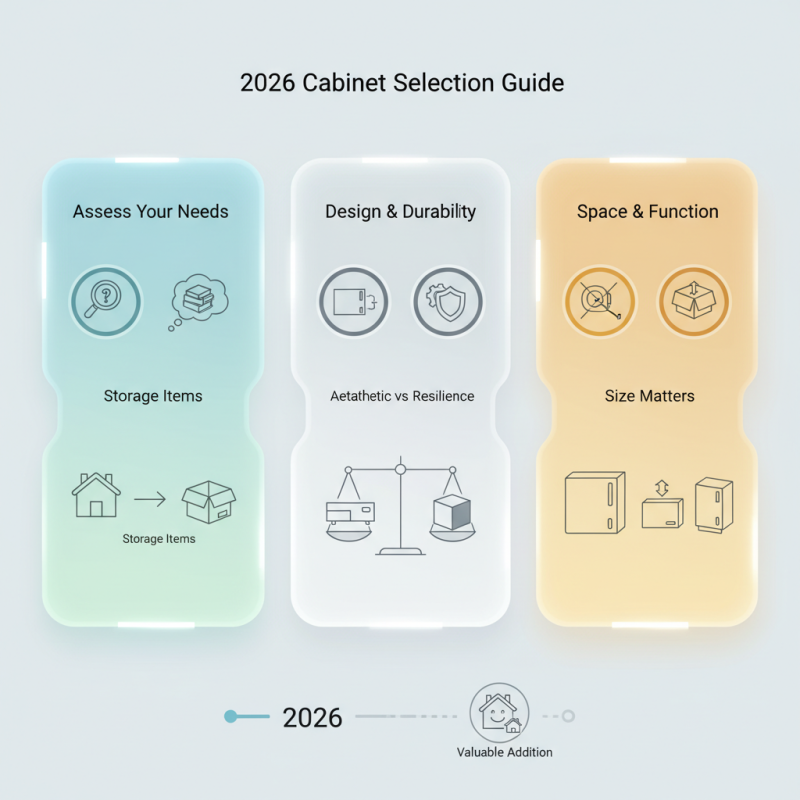
When it comes to organizing your space, a 2 Drawer Cabinet can be a game changer. Choosing the right one, however, requires some thought. With countless options available, understanding your needs is crucial. Think about where you'll place it and what you’ll store inside. It's not just about style; functionality matters.
Selecting the perfect 2 Drawer Cabinet means considering your decor and practical use. Will it fit comfortably in your room? Is it durable enough for everyday use? You may find beautiful designs that lack practicality. It's easy to get lured in by trendy pieces. However, you want something that balances aesthetic appeal and resilience.
Moreover, consider how the cabinet will accommodate your belongings. Measure your space carefully. A cabinet that is too large can overwhelm a room while a small one may not meet your storage needs. This reflection on size and function is vital. In 2026, amid evolving design trends, choosing wisely ensures your 2 Drawer Cabinet remains a valuable part of your home.
Understanding the Dimensions and Space Requirements for 2 Drawer Cabinets
Choosing the right 2 drawer cabinet involves understanding your space. The dimensions of your cabinet should align with your room's layout. Measure the height, width, and depth carefully. A cabinet that is too big may overwhelm a small room. Conversely, a cabinet that is too small might not provide adequate storage.
Consider the space around the cabinet. Ensure there is enough clearance for doors to open fully. Think about how it interacts with other furniture. The location should enable easy access without cluttering pathways. Additional light sources nearby can also enhance functionality.
Reflect on your aesthetic preferences. A cabinet's color and material can impact the overall vibe of your space. Different finishes can either complement or clash with your decor. It's essential to find that sweet spot between style and practicality. Balancing storage needs with visual appeal can take time and adjustments.
Materials and Finishes: Choosing Durability and Aesthetic Appeal
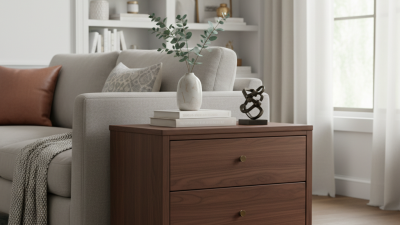
Choosing materials and finishes for a 2 drawer cabinet is crucial for both durability and aesthetic appeal. Solid wood is a classic choice. Its natural grain adds warmth to any space. However, it can be pricey and may require regular maintenance.
Plywood offers a more budget-friendly option. It’s as strong as solid wood but may lack the same aesthetic charm.
Metal cabinets have gained popularity in recent years. They are incredibly durable and easy to clean. However, they can feel cold and industrial.
Consider adding wood accents to soften the look. Another choice is laminate, which comes in various colors and patterns. While it's easy to maintain, it might not stand up well to heavy use over time.
Finishes can elevate your cabinet’s design. Matte finishes are trendy, providing a subtle elegance.
Glossy finishes, on the other hand, can reflect light beautifully but may show fingerprints. Think about your space's overall vibe when making decisions. Each material has its pros and cons.
Reflect on your needs before purchasing.
Functional Design Features for Maximizing Storage Efficiency
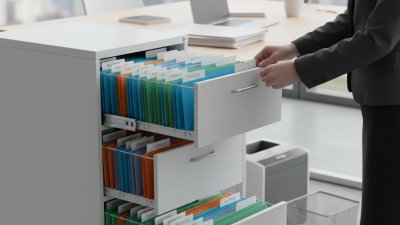
When selecting the ideal 2 drawer cabinet, its functional design features are crucial for maximizing storage efficiency. Start by assessing the layout of your space. Compact dimensions can fit into tight corners, while larger forms can serve as standalone pieces. Look for cabinets with clear organizational capabilities. Drawers with dividers help to keep items neat, while deep drawers accommodate larger items.
Consider the materials used in construction. Quality wood or metal options ensure durability. A smooth gliding mechanism is essential for easy access. The color and finish should complement your existing decor. A unified aesthetic promotes harmony in your space. However, simplicity can sometimes lead to clutter if not managed carefully.
Reflect on your specific storage needs. Not all drawers will suit every purpose. Some users may require shallow drawers for office supplies, while others prefer deeper compartments for tools or linens. Think about how you plan to use the cabinet. Ensure it provides not just storage but also accessibility. Balancing these elements can be challenging but is vital for an effective storage solution.
Assessing Budget Considerations: Cost Analysis for Quality Cabinets
When choosing a two-drawer cabinet, budget plays a crucial role. A report by the American Home Furnishings Alliance indicates that nearly 65% of consumers consider cost as their primary factor. It's essential to balance quality and affordability. Spending more upfront can save money in the long run if it means a durable product.
Detailed cost analysis reveals that cabinets priced between $200 and $500 often provide the best combination of style and longevity. Features such as solid wood construction and high-quality hardware contribute to this value. Yet, many buyers overlook the hidden costs like shipping or assembly fees. They can add up quickly.
Consider your space’s needs and your personal taste. Some cabinets may appear cheaper but require frequent replacements. Investing in higher-quality options becomes vital, especially as trends shift. In 2026, focusing on sustainability will also affect pricing. Eco-friendly materials often cost more, but they offer longer-lasting benefits. Balancing your budget with these factors can lead to a more satisfying purchase.
Cost Analysis of 2 Drawer Cabinets in 2026
This bar chart illustrates the average cost of 2 drawer cabinets categorized by quality in 2026. The basic cabinets are priced around $150, mid-range options at approximately $300, and premium cabinets can go up to $600, representing a significant investment in quality furniture for your space.
Trends in 2 Drawer Cabinet Styles: What’s Popular in 2026?
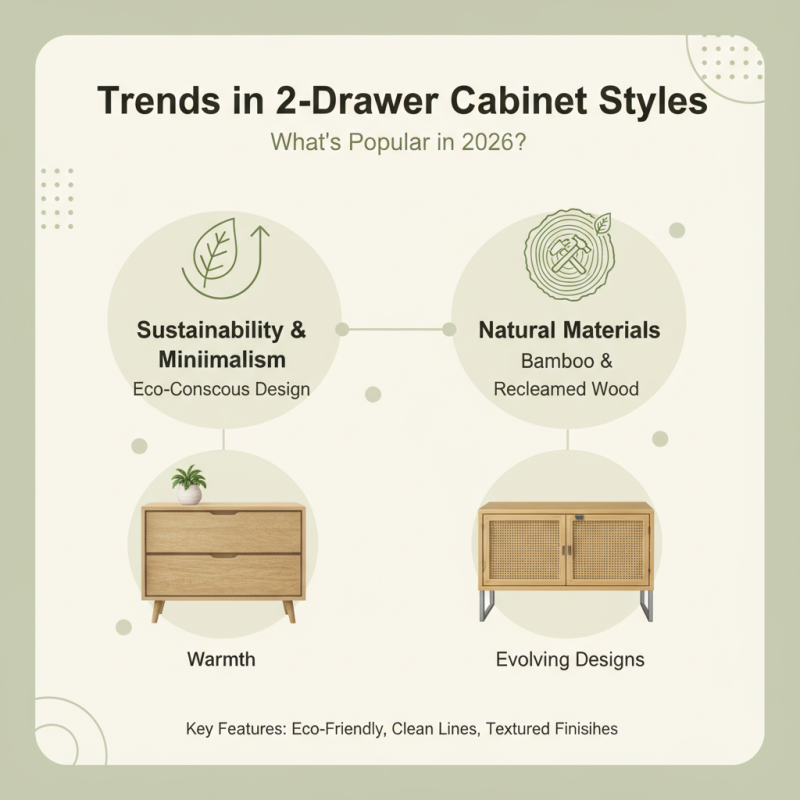
In 2026, the 2 drawer cabinet is evolving. Modern designs focus on sustainability and minimalism. Natural materials, like bamboo and reclaimed wood, are trending. These choices reflect eco-consciousness and add warmth to any space.
Color schemes are also changing. Soft pastels and earthy tones dominate the scene. These shades create a calming environment, ideal for both homes and offices. Textures play a vital role; cabinets with matte finishes are preferable over glossy ones. This year, the emphasis is on tactile experiences that invite touch.
Functionality remains key. Cabinets with built-in dividers are becoming popular. This design helps organize small items efficiently. However, some users might find such features cumbersome. A balance between style and usability is essential. Overall, 2026 is about choosing pieces that harmonize with your space and lifestyle, despite occasional design challenges.